


2025-26 PRAx Collaborative Faculty Fellows

The PRAx Collaborative Faculty Fellowship offers Oregon State University faculty in arts, humanities, science and engineering a unique opportunity to engage in interdisciplinary collaborative inquiry for a year. Within this broader program, the L.L. Stewart Fellowship program supports collaborations specifically in science and engineering.
Fellows in this program identify a question, project or issue in their own research that could benefit from interdisciplinary collaboration, and PRAx pairs each fellow with someone working in another discipline whose own professional interests or creative practices align.
2025-26 Awardees
In the 2025-26 cohort, two of the faculty fellows have two collaborators.
Naomi Fitter (Engineering) + collaborators Kate Landheim and Tim Kelly
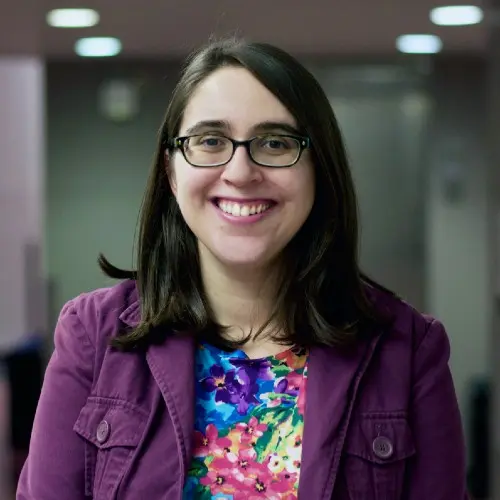
Naomi T. Fitter is an Associate Professor in the School of Mechanical, Industrial, and Manufacturing Engineering at Oregon State University. Her degrees include a B.S. and B.A. in mechanical engineering and Spanish from the University of Cincinnati and an M.S.E. and Ph.D. in robotics and mechanical engineering and applied mechanics from the University of Pennsylvania, and she completed her postdoctoral work at the University of Southern California. Fitter received the NSF CAREER Award in 2025. The interests of her research group, the SHARE Lab, part of the Oregon State Collaborative Robotics and Intelligent Systems (CoRIS) Institute, include physical human-robot interaction, nonverbal robot expression, socially assistive robotics, haptics, robots in education, and robotic entertainers. Fitter's work aims to equip robots with the ability to engage and empower people in interactions from playful high-fives to challenging physical therapy routines. As a faculty member who moonlights in the performing arts, she values blending robotics with art, including efforts in the realms of comedy, music and movement. Her past efforts in robotics and performing art have been recognized by NPR and TIME Magazine.
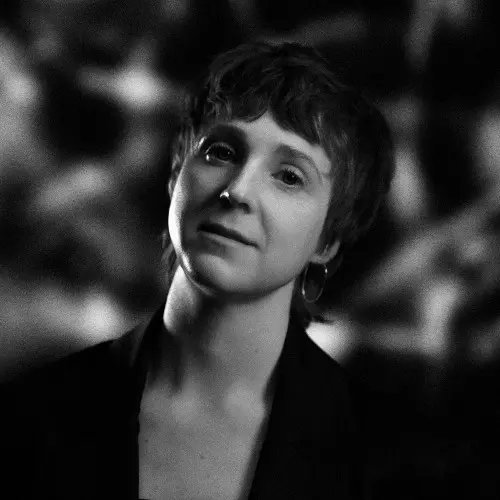
Kate Ladenheim is a choreographer, educator, and creative technologist whose artistic work and scholarship spans interactive installations, media design, performance, and robotics. Their practice investigates the interplay between social and technological systems, focusing on how bodies navigate, subvert, and are ultimately shaped by these forces. Ladenheim is currently an Assistant Professor of Choreography at UCLA's department of World Arts and Cultures/Dance, and a recipient of the Google Artists + Machine Intelligence Faculty Research Award. Ladenheim previously taught at the University of Maryland, College Park, and holds an M.F.A. in Media Design Practices from ArtCenter College of Design. Their artistic projects have been presented internationally, including at The Brown Arts Institute, National Sawdust, DancePlace (DC), HERE Arts Center, The Edinburgh Fringe Festival, and Jacob's Pillow. Ladenheim was a member of the 2024 MAXmachina Lab cohort, as well as an Artist in Residence at the Barnard Movement Lab and the Robotics, Automation, and Dance (RAD) Lab. They are currently supported by a 2025 Creative Capital Award.

Tim Kelly biography forthcoming.
Duncan Russell (Veterinary Medicine) + collaborators Kathy High and Raymond Malewitz
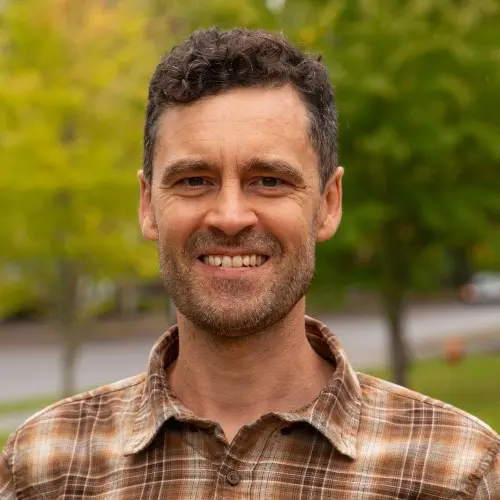
Duncan Russell is a veterinary anatomic pathologist at OSU's Gary R. Carlson, MD, College of Veterinary Medicine. He completed his veterinary degree at the University of Glasgow, Scotland, then specialized in veterinary pathology at Cornell University. He has broad biomedical expertise with particular emphasis on mechanisms of disease and veterinary diagnostic science. He has contributed to over 50 peer-reviewed manuscripts, co-authored book chapters on veterinary cancer and cardiac disease, and speaks at national veterinary pathology conferences. His research collaborations include multidisciplinary approaches to diseases affecting both animals and humans, which ultimately serve to advance animal and human health. In his capacity as an anatomic pathologist for the Oregon Veterinary Diagnostic Laboratory, he is responsible for diagnosing natural disease in a wide variety of domestic species, wildlife, laboratory animals and zoo animals. This includes surveillance for high-impact animal diseases, detection of zoonoses, investigation of mortality events, and recognition of novel or emerging syndromes. He is an Associate Professor and a Diplomate of the American College of Veterinary Pathologists.
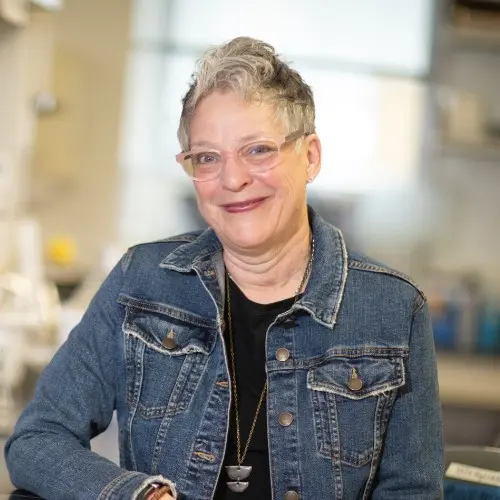
Kathy High is an interdisciplinary artist working with art, technology and science. She collaborates with scientists and activists, considers living systems, animal sentience, queer ecologies, and the ethical dilemmas of biotechnology and medical industries. She has received awards from the Guggenheim Foundation, Rockefeller Foundation, and National Endowment for the Arts. Her artworks have been exhibited internationally at Guggenheim Museum, MASS MoCA (USA), documenta 13 (Germany), Science Gallery (Ireland), Festival Transitio (Mexico), IMPACT Festival (Netherlands), SALT (Istanbul), Para-Site Gallery (Hong Kong), and more. She is Professor in Arts and has a laboratory at Center for Biotechnology and Interdisciplinary Studies at Rensselaer Polytechnic Institute in Troy, New York. She has had art/science residencies with SymbioticA (Australia), Finnish Society of Bioart (Finland), Coalesce, (Buffalo), Ectopia/Blend (Lisbon), and Metabolic Arts Gathering at the Medical Museion (Copenhagen). She is co-director of the community science project NATURE Lab focused on urban ecologies and community-led health initiatives.
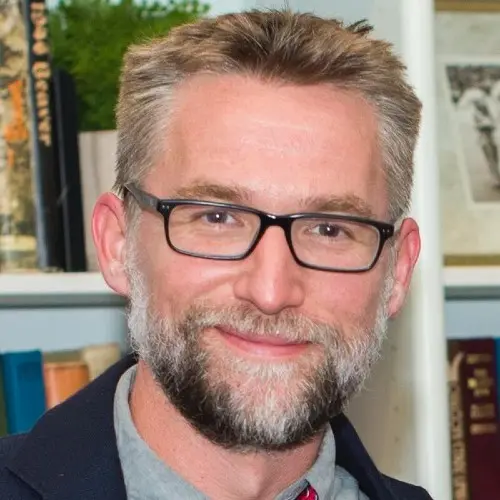
Raymond Malewitz is Associate Professor of Literature and Science in the School of Writing, Literature, and Film (SWLF) at Oregon State University. He is the author of The Practice of Misuse (Stanford, 2014) and Animal Illness and the Literary Imagination (Cambridge, 2025) and has published articles in venues including Critical Inquiry, PMLA, and the Washington Post. In 2022, he served as Fulbright Distinguished Chair of American Studies at the University of Warsaw and now serves as the first Ann and Bernard Malamud Faculty Scholar in SWLF. He is also the founder and editor of the "Oregon State Guide to Literary Terms" video series.
Chih-hung Chang (Engineering) + artist Samantha Wall
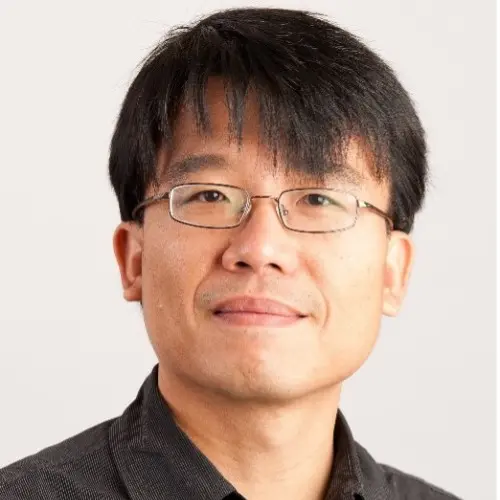
Chih-hung (Alex) Chang is a Professor of Chemical Engineering and Materials Science and Associate Head of Undergraduate Programs in the School of Chemical, Biological, and Environmental Engineering at Oregon State University. He received his B.S. degree from National Taiwan University and his Ph.D. in Chemical Engineering from the University of Florida. His research focuses on thin film deposition processes, integrated chemical systems, scalable additive manufacturing, and thin film materials and devices. His group was among the first to report inkjet-printed amorphous oxide thin-film transistors and CIGS solar cells. He co-developed Microreactor-Assisted Nanomaterial Deposition, recognized by the Society of Manufacturing Engineers in its 2011 "Innovations That Could Change the Way You Manufacture" Watch List, and has contributed to advances such as bio-inspired antireflective coatings for solar photovoltaics and conductive inks for printed electronics on textiles. Chang has published over 180 peer-reviewed journal articles and holds 17 issued patents. He is a Fellow of the National Academy of Inventors, an Intel Faculty Fellow, recipient of numerous awards, including the NSF CAREER Award, and is founder and director of the Oregon Process Innovation Center. Chang enjoys teaching thermodynamics and energy technologies to students at all levels, and in his personal life he has a passion for the arts and crafts across a variety of media.
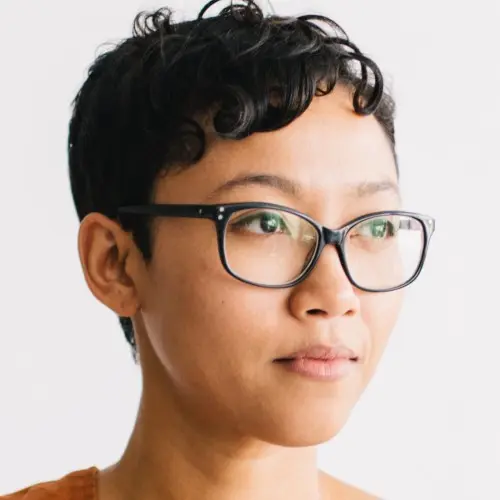
Originally from Seoul, South Korea, Samantha Wall immigrated to the United States as a child and comes from a multiracial background. Operating from within this framework, her drawings embody the experience of navigating transcultural identity. Wall's art is characterized by her unique approach to traditional drawing techniques combined with a contemporary vernacular that reflects her understanding of the world around her. Wall graduated with a Master of Fine Arts in Visual Studies from Pacific Northwest College of Art, and she is the recipient of awards and grants from organizations including the Oregon Arts Commission, Seattle Art Museum, and the Joan Mitchell Foundation. Her work has been exhibited widely including the Cue Art Foundation in New York, New York; the Portland Art Museum and Oregon Contemporary in Portland, Oregon; the Hallie Ford Museum of Art in Salem, Oregon; the Boise Art Museum in Boise, Idaho; the New Orleans Museum of Art in New Orleans, Louisiana; the Hangaram Art Museum of the Seoul Arts Center in Seoul, South Korea; and the Frye Art Museum in Seattle, Washington.
Martin Erwig (Computer Science) + dancer Darryl Thomas
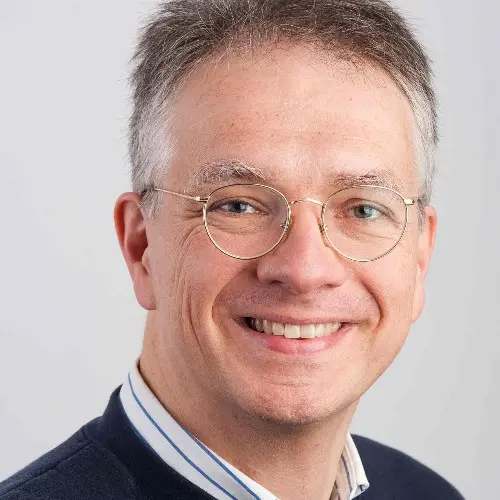
Martin Erwig is the Stretch Professor of Computer Science at Oregon State University. His research is concerned with the analysis and design of programming languages, in particular, functional, visual, and domain-specific languages. His recent research is focused on explainable computing with the goal of creating languages in which programs not only produce results but also explanations of how and why the results are obtained. Martin is also involved in research on computer science education where he has collaborated in the creation of curricula for schools and colleges that use board games and storytelling to facilitate non-technology-centered, hands-on introductions to computer science. Martin is also engaged in computer science public outreach. He is the author of the award-winning book Once Upon an Algorithm: How Stories Explain Computing that is available in eight languages, and he has co-written a musical about computer science.
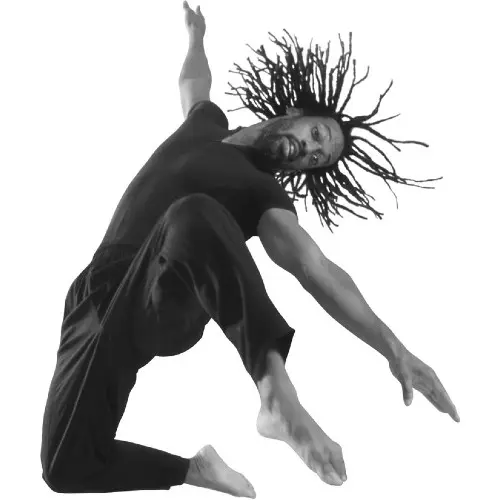
Darryl Thomas is an Emmy Award-winning choreographer and director of Rainbow Dance Theatre. He is internationally recognized for blending dance, technology and storytelling. A recipient of the U.S. Department of Education SBIR Award for his STEM + Arts wearable technology project, iLumaCap Coder, Thomas was also one of the first dance artists in Oregon to receive the Oregon Community Foundation Creative Heights Award for his groundbreaking work SELFIE, an evening-length performance that integrated real-time audience images ("selfies") into a mixed-reality live dance performance. His choreography has been commissioned by companies across Asia, Europe and the Americas, and his dance-and-technology performances have reached more than 350,000 youth and adults throughout the Pacific Northwest, inspiring a new generation of artists, engineers and innovators.
Pallavi Dhagat (Engineering & Computer Science) + artist Lia Halloran
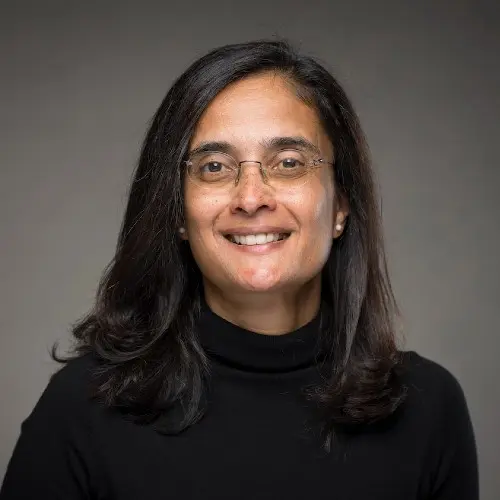
Pallavi Dhagat is a professor in the School of Electrical Engineering and Computer Science. Her research focuses on applications of magnetic materials for biosensing, printed electronics, and energy-efficient communication and computing systems. She has served as the President of the IEEE Magnetics Society, the largest global professional organization in her field. She was recognized as the College of Engineering Dean's Professor (2023-2025). Dhagat is passionate about mentoring women in science and enjoys the arts — in particular the textiles, architecture and music from her country, India. She is widely traveled and, while drawn to the outdoors and nature, she is also deeply curious and interested in the history and culture of people from across the world.
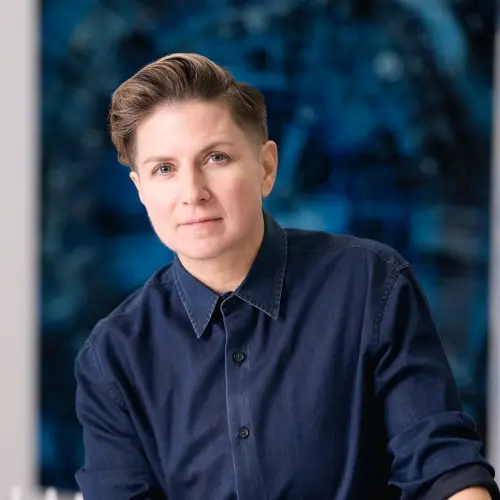
Lia Halloran is an interdisciplinary artist with a practice that spans painting, drawing, long-exposure photography, video installations, and experimental darkroom techniques that merge painting and photography. Across these diverse mediums, Halloran engages with scientific history while challenging its traditionally empirical position to illuminate overlooked narratives, particularly those of women in science, queer communities, and other marginalized voices. Halloran has exhibited widely in the U.S. and internationally, with recent highlights including major projects for the Getty’s PST: Art & Science Collide. She is co-author of The Warped Side of Our Universe (Norton/Liveright, 2023), recipient of the C.O.L.A. Master Artist Fellowship and a National Endowment for the Arts Artworks Grant, and has been profiled in The New York Times, The New Yorker, and The Los Angeles Times. Her work is held in the permanent collections of the Solomon R. Guggenheim Museum, Harvard University, and Caltech, among many others. She is a Professor in the Department of Art at Chapman University, where she teaches painting and courses at the intersection of art and science.
Michael Olsen (Engineering) + artist Sabrina Ratté
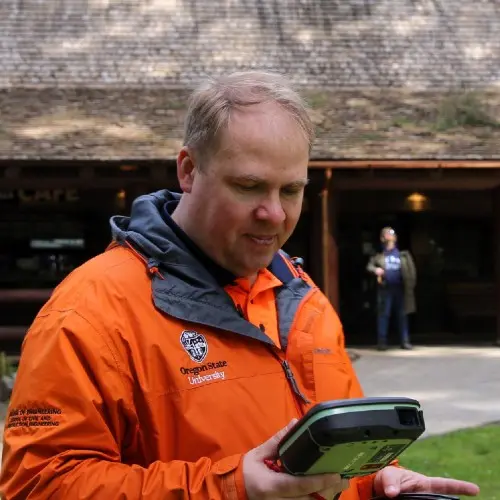
Michael Olsen is the CH2M Hill Professor of Geomatics in the School of Civil and Construction Engineering at Oregon State University. He obtained BS and MS degrees in Civil Engineering from the University of Utah and a Ph.D. in Structural Engineering from the University of California, San Diego. Olsen serves as the Technical Director for the NSF Natural Hazards Engineering Research Infrastructure (NHERI) RAPID Facility, the Director of the Cascadia Lifelines Program (CLiP), a member of the Partnership and Applications committee of the Cascadia Region Earthquake Science Center (CRESCENT), an Associate Editor of the ASCE Journal of Surveying Engineering, the past president of the Surveying and Geomatics Educators Society (SaGES), and a co-founder and CEO of a tech transfer spinout company, EZDataMD, LLC. Olsen's research focuses on the collaborative application of geospatial technologies to natural hazards as well as infrastructure monitoring and management. He teaches geomatics engineering courses at OSU where he has developed new, groundbreaking courses in 3D laser scanning, digital terrain modeling, and building information modeling.
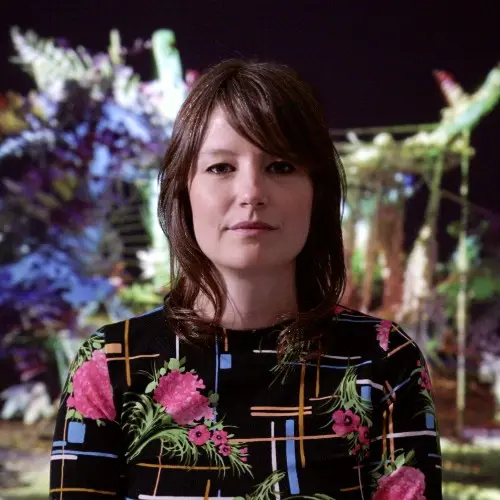
Sabrina Ratté is a Canadian artist whose practice spans 3D animation, photogrammetry, analog video synthesis, digital printing, sculpture, and interactive installations, forming interconnected ecosystems across multiple platforms. Exploring the convergence of technology and biology, and the speculative evolution of our environment, her work is deeply informed by science fiction, philosophy, ecological thought, and occult traditions. Her recent projects delve into esoteric systems and ritualistic practices, merging occult traditions with contemporary technological frameworks. Through immersive installations, interactive oracular systems, and hybrid landscapes, she evokes worlds devoid of humans — where the remnants of past civilizations coexist with speculative mythologies. Ratté’s work has been exhibited internationally at institutions such as the Laforet Museum (Tokyo), the Montreal Museum of Fine Arts, Centre Pompidou (Paris), the PHI Center (Montreal), the Max Ernst Museum (Brühl), and the Museum of the Moving Image (New York). She has presented solo exhibitions at Gaîté Lyrique (Paris), Fotografiska (Shanghai), Arsenal Contemporary Art (Montreal and New York), and MEET Digital Culture Center (Milan). Her work is part of the permanent collection of the Montreal Contemporary Art Museum.
Malena Orduña Alegría (Engineering) + writer Cynthia Barnett
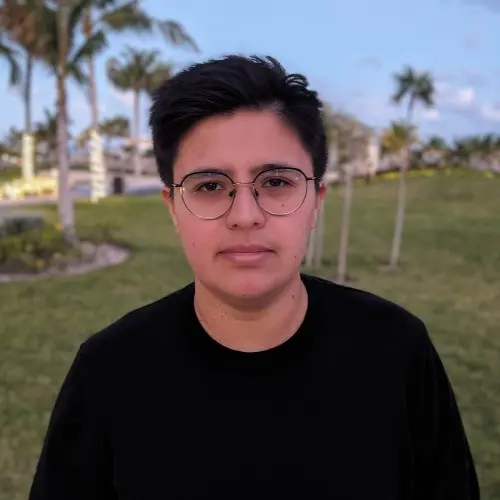
Malena Orduña Alegría is an Assistant Professor in the Department of Biological & Ecological Engineering at Oregon State University and leads Oregon's Agricultural Water Management Technical Assistance Program. A sociohydrologist specializing in agricultural water management, they develop complex models that integrate hydrological modeling, agent‑based simulation, and serious games to understand interactions between human and environmental systems. Malena has international research experience across Mexico, Germany, New Zealand and the United States, and has led the creation of open‑source platforms to explore how irrigation technologies and groundwater conservation policies affect coupled human-water systems. Their work emphasizes bridging science, policy and art, and they are establishing the Resilient FLOW Lab to advance data‑driven solutions for sustainable water management.
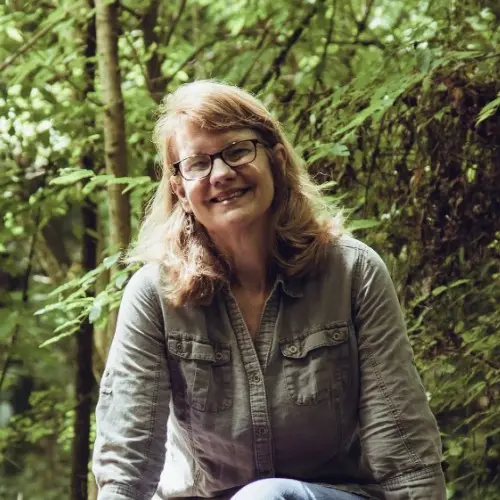
Cynthia Barnett is an award-winning environmental author and journalist who has reported on water and climate change around the world. Her books follow the water cycle — from the rains that filled the oceans 4 billion years ago to the mystery of aquifers beneath our feet. She has special interests in environmental ethics; water as a unifying force in a fractured world; and what our water and climate history can tell us about how to navigate in our own, stormy times. Cynthia also teaches environment, science and climate journalism at the University of Florida, where she is training the next generation to tell stories that build trust and deepen public understanding of the challenges facing humanity and all life.